The most common mistake new DMs make with loot is treating it as a reward mechanic instead of a worldbuilding tool. When every chest contains exactly the right magic item for the fighter, loot stops feeling like discovery and starts feeling like a gear treadmill.
Better loot tells a story. A stained leather journal suggests someone was here before. A cracked ruby in a velvet pouch implies wealth that did not save its owner. A mundane iron key with no obvious lock is a plot hook disguised as treasure.
Matching loot to challenge rating
The SRD treasure tables are built around four tiers: CR 0-4 produces copper and silver with the occasional low-value gem. CR 5-10 adds gold, art objects, and uncommon magic items. CR 11-16 introduces rare items and larger currency hoards. CR 17+ is legendary territory with platinum, priceless art, and the kind of items that reshape campaigns.
This generator follows those tiers loosely. Individual loot is what a single creature might carry. Hoard loot is what a lair or vault contains. Shop inventory is what a trader in a settlement of appropriate wealth level would stock.
The "found not given" principle
Every item in this generator is described as something that exists in the world, not something manufactured for the player. "A shortsword with a chipped blade and a leather grip worn smooth" is the same item as "Shortsword" mechanically, but it occupies a different space in the fiction. One invites questions. The other gets written on a character sheet and forgotten.
When you hand out loot, add one sensory detail. What does it smell like, feel like, sound like when you pick it up? That single detail does more for immersion than any stat block.
Mundane items as adventure hooks
Do not underestimate mundane loot. A sealed letter, a hand-drawn map with an X, a locket with a portrait. These cost nothing mechanically and generate sessions of content. The best DMs sprinkle one mysterious mundane item into every treasure pile and see which ones the players latch onto.
If your party ignores mundane items entirely, that is a signal that loot has become purely mechanical for them. Fix this by making the next plot-critical clue a mundane object in a treasure pile. They will start paying attention.
Using loot results in Roll20 and Foundry VTT
Once you have rolled your treasure, transcribe it into your VTT notes before the session. In Roll20, use the Notes field on the relevant map object or journal entry. In Foundry VTT, drop items directly into a chest or container actor so players can inspect them in the client. Either way, having the loot pre-loaded means you are not pausing mid-session to describe a copper piece by copper piece.
For physical tables, write the hoard on a notecard and slide it across when the players open the chest. The tactile moment of receiving a list on paper does something a screen cannot. If any item is magical, describe it before naming it. The description creates anticipation; the name resolves it. That two-second pause is where the wonder lives.
Balancing the economy at your table
Gold accumulates faster than most DMs expect. A party of four running one hoard encounter per session at CR 5 to 10 can amass hundreds of gold pieces in a few sessions. That matters because gold in D&D 5e has limited official sinks: spell components, certain services, and lifestyle expenses. If players are swimming in currency with nothing to spend it on, it loses all meaning.
The simplest fix is to introduce scale. Keep early-game loot in silver and copper alongside small gold totals. Reserve platinum for high-tier encounters where a single coin represents real purchasing power. Separately, consider what merchants in your setting actually sell. An armourer in a frontier village does not stock plate armour. That scarcity makes gold matter again. Generate your loot with the CR that matches the encounter, then look at what the party already has. If they are drowning in coin, reduce gold and increase gems or art objects, items with value that require selling rather than spending.
Printing loot for the table
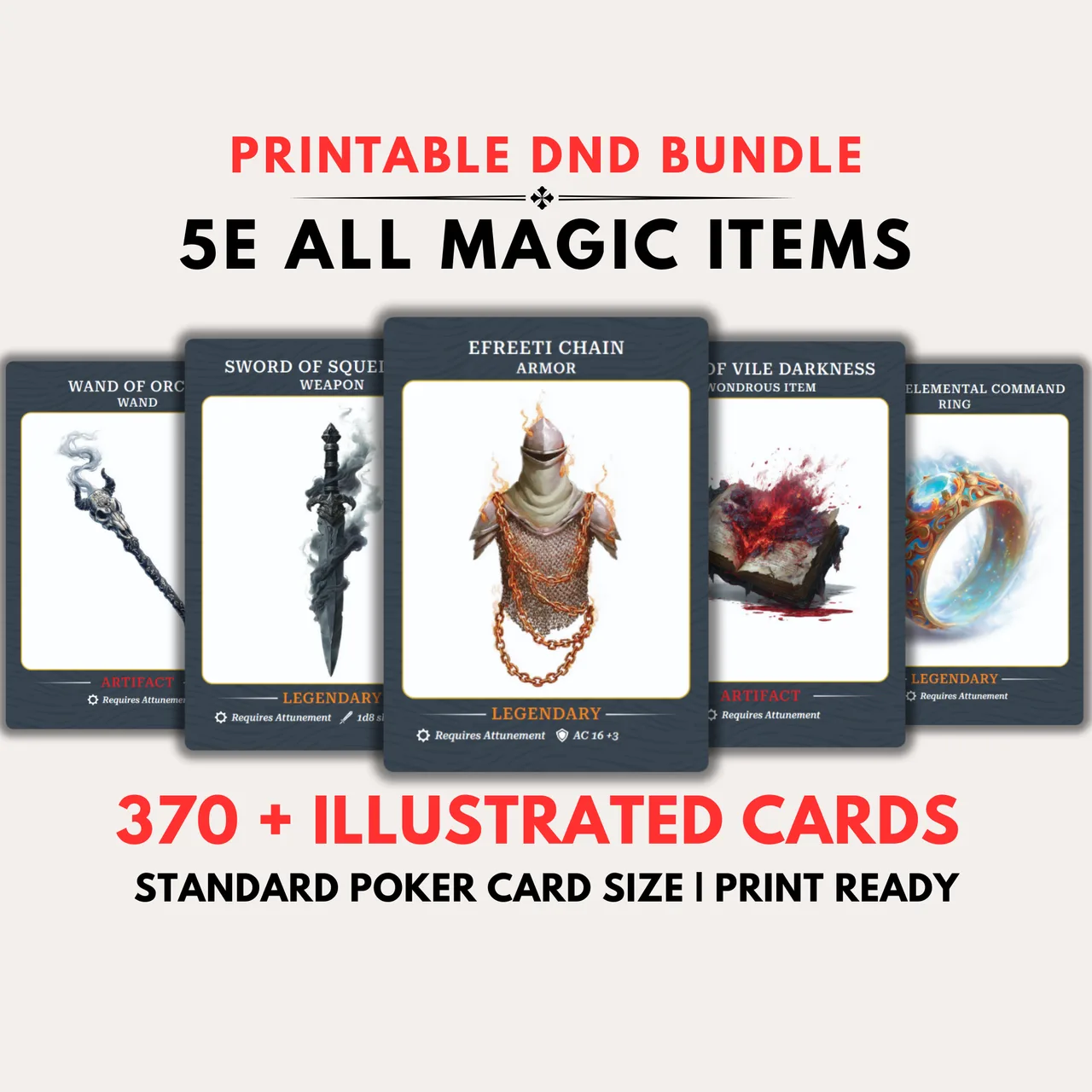
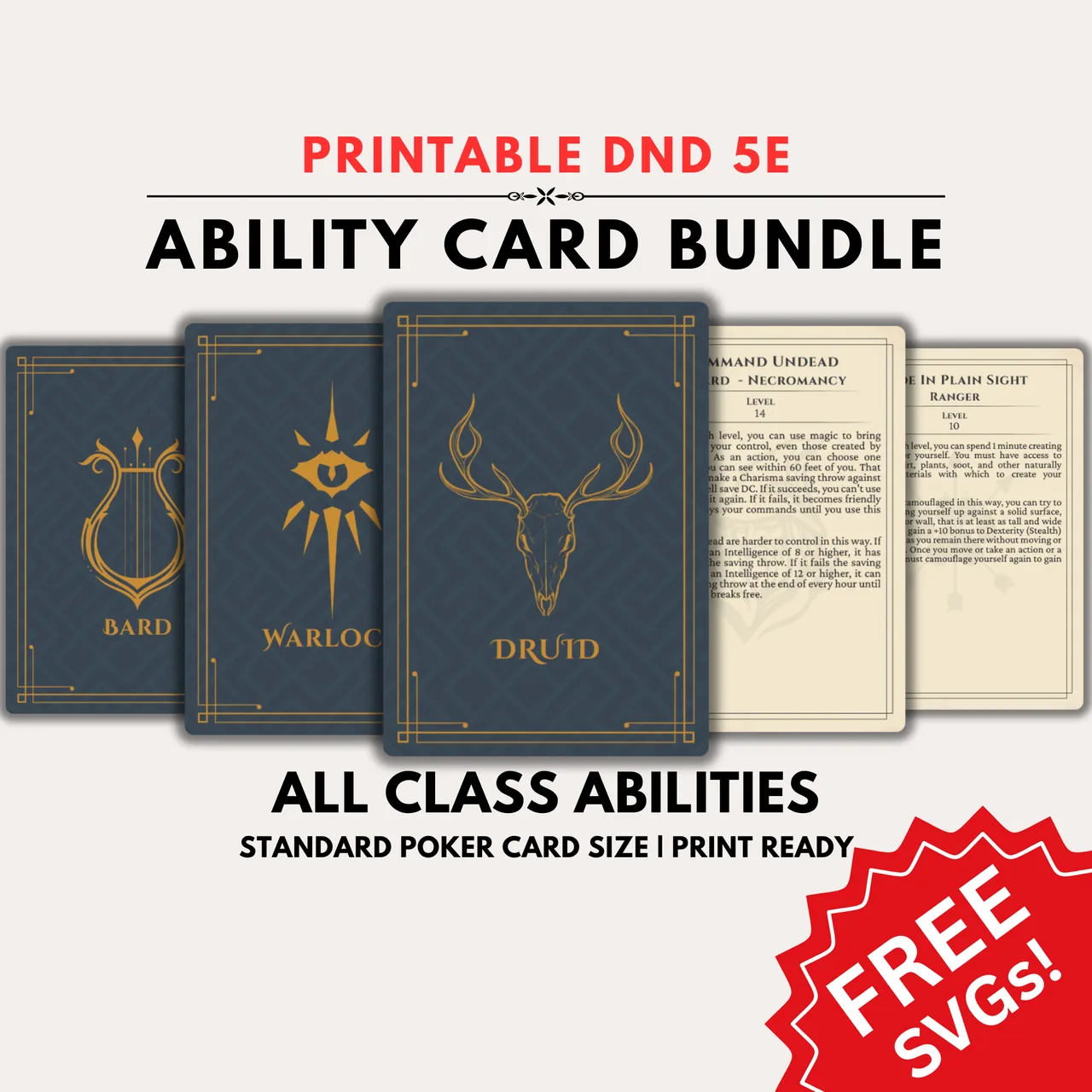
Physical prop handouts change how players interact with loot. A printed card describing a gem (its name, estimated value, and one line of flavour) becomes an object your players can hold and discuss. MakeMythic sells illustrated magic item card sets on Etsy, formatted as print-at-home PDFs, that pair directly with the items this generator produces. Print a set and deal them out as physical rewards. The difference in player engagement is immediate.
For mundane items, a simple table printout works well. Generate a hoard, print the list, cut the items into strips, and fold them into a small envelope. When the players open the chest, hand them the envelope. They sort it together, argue about the value of the tarnished locket, and wonder why someone had a map in their pocket. That is session content born from a props moment, not a rules moment.